Basketball Club Teams San Diego and the Path to Competitive Play
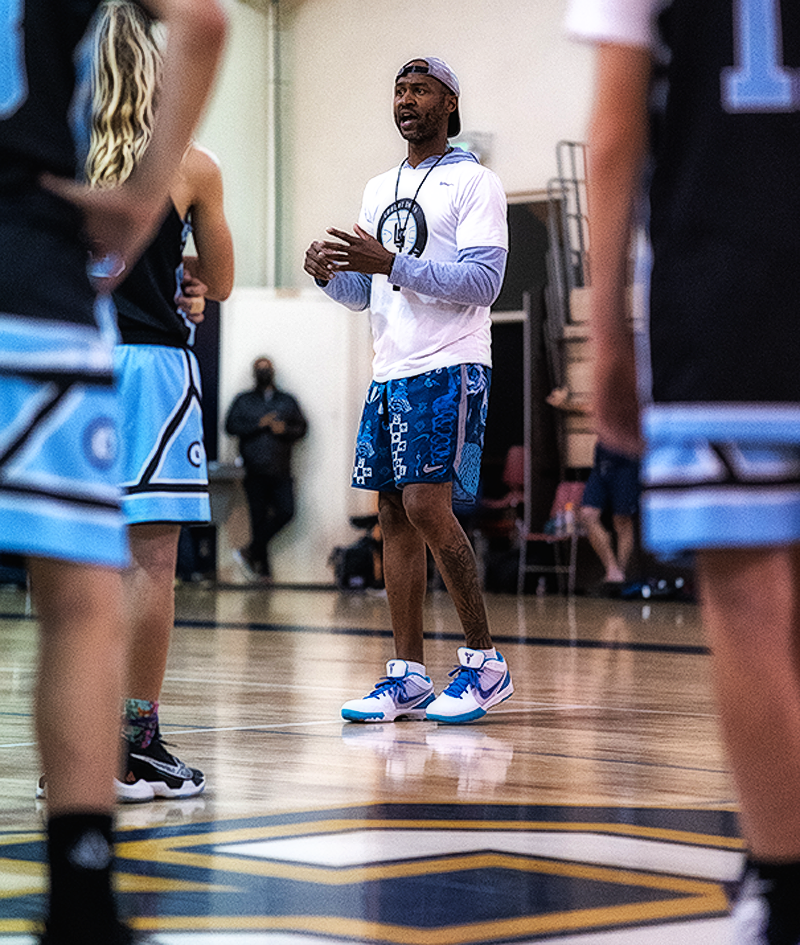
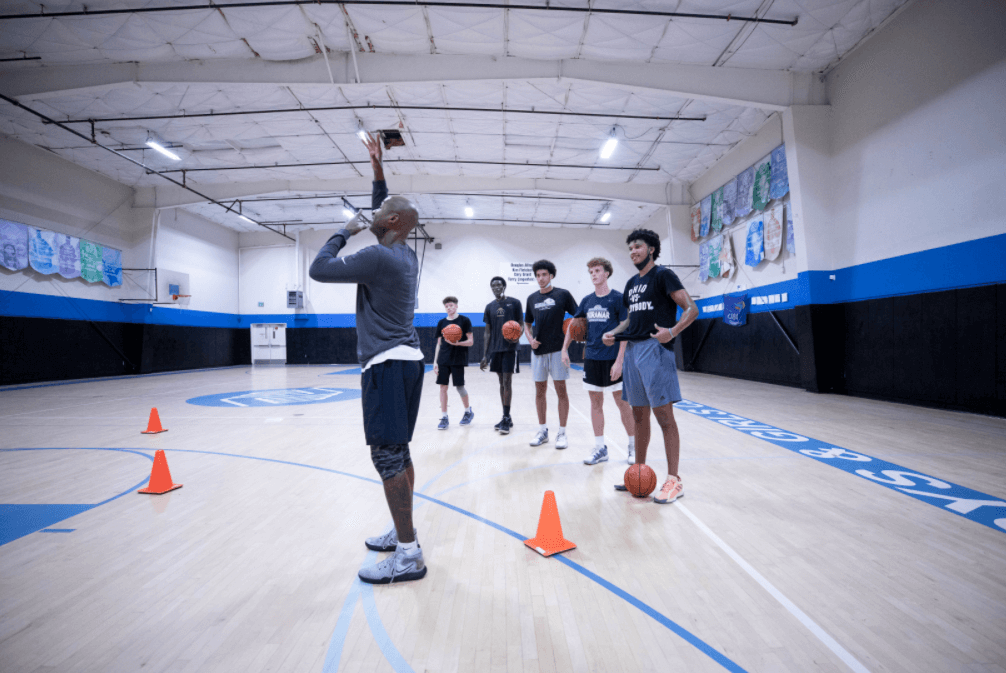
San Diego has always had a strong basketball pulse. The city does not carry the same national basketball identity as Los Angeles, Chicago, or New York, but anyone who spends time in local gyms knows the game runs deep here. On any given weeknight, courts from North County to Chula Vista fill with middle school players working on footwork, high school guards getting extra shooting reps, and parents in the bleachers trying to sort out what “competitive” really means for their child. That last part matters more than most families realize.
The phrase Basketball Club Teams San Diego covers a wide range of experiences. Some programs are highly organized, development-minded, and selective about how they build rosters. Others promise exposure and tournament volume but lack structure once the whistle blows. For families stepping into club basketball for the first time, the landscape can feel crowded and expensive. For players with real ambition, the path can be rewarding, but it works best when expectations are clear and the fit is right.
Competitive play is not just about joining a travel team and collecting tournament games. It is about learning how to practice with purpose, handle pressure, accept coaching, and perform when the pace speeds up. It is also about timing. A player who joins too early, or for the wrong reasons, can end up overextended, underdeveloped, or discouraged. A player who joins the right team at the right stage often grows faster than expected because the environment demands more.
Why club basketball matters in San Diego
The local basketball ecosystem has changed over the last decade. School ball still matters, deeply, but club teams now shape much of a player’s development outside the winter high school season. That is where many athletes get their highest volume of games, their first real exposure to different styles of play, and their earliest lessons in role definition.
San Diego’s geography plays a role. Because the county stretches across distinct communities, players often train locally but compete regionally. A family in Carlsbad may practice with one program and play tournaments in Orange County, Riverside, or Los Angeles. A player in East County might be in the car before sunrise on a Saturday just to make an 8:00 a.m. Tip in Anaheim. That travel creates opportunities, but it also tests commitment.
Club basketball also fills developmental gaps that school programs cannot always cover. High school coaches have limited seasons and varying resources. Middle school basketball can be inconsistent depending on the campus. A quality club program gives players a more continuous runway, especially in skill-heavy areas like ball handling under pressure, weak-hand finishing, help-side reads, and closeout discipline. Those details do not always show up in a box score, but they separate players as competition sharpens.
The strongest clubs in San Diego understand something simple: games reveal, practice builds. Tournament schedules can look impressive online, but a program’s real value is usually visible on a Tuesday evening. Watch how a practice starts. See whether the warmup has purpose. Notice whether coaches teach spacing and decision-making or just run players through lines. Look at how they correct mistakes. The difference between organized activity and true development becomes obvious quickly.
What “competitive play” actually means
Parents often use the phrase competitively without defining it. For some, it means more games and tougher opponents. For others, it means a path toward varsity basketball, college recruitment, or simply being pushed by stronger teammates. Those are not the same goals, and confusion at the start leads to frustration later.
At younger ages, competitive play usually means the game gets faster and less forgiving. The athlete who can dribble in a rec league may suddenly struggle against a long defender who pressures the ball baseline to baseline. The post player who scores easily near the rim may discover that size alone is not enough against disciplined help defense. The talented scorer may need to become a better passer because club defenses load up sooner and recover faster.
By the high school years, competitive play becomes more layered. It includes role acceptance, efficiency, communication, and composure. Coaches want players who understand pace, can defend without fouling, and can make a sound decision in two seconds instead of five. A player does not need to be flashy to help a good club team. Some of the most valuable athletes are the ones who rebound through contact, rotate on time, sprint the floor every possession, and never break the game plan.
This is where many families misread the transition. They assume the move from local league basketball to club basketball is mainly about visibility. In practice, it is more about standards. Better teammates expose weaknesses, and better opponents punish them. That can be uncomfortable at first, especially for a player who has always been the best on a neighborhood team. Yet that discomfort is usually the beginning of real growth.
The San Diego club landscape, strengths and pressure points
One reason Basketball Club Teams San Diego remain in high demand is the variety of available pathways. There are large established organizations with multiple age groups, smaller boutique programs that focus on skill development, school-adjacent teams, and independent coaches building selective rosters. This range is useful, but it also makes evaluation harder.
The best-known programs tend to have advantages in facility access, tournament scheduling, and coaching depth. They may field multiple teams at one grade level, which can benefit player placement if done honestly. A strong top team creates a high standard, and a well-run second team can still provide quality development. The problem comes when organizations over-expand. Once a club starts adding teams faster than it adds qualified coaches, the gap shows. Practices lose structure. Communication slips. Playing-time expectations become murky.
Smaller programs can be excellent when they are built around clear teaching and manageable roster sizes. I have seen teams with fewer resources outperform larger clubs because the coaching was sharper and the player roles made sense. A smaller roster often means more touches, more accountability, and less time standing on the wing watching one dominant ball handler control the game. On the other hand, small programs can struggle with tournament access, gym time, or continuity if a key coach leaves.
San Diego’s basketball community is also close enough that reputations travel quickly. Families talk. High school coaches compare notes. Trainers know which club coaches teach and which ones simply collect talent. That local memory matters. If a program consistently burns through families, overpromises on exposure, or fails to communicate about scheduling and rosters, word gets around.
What players gain from the right club environment
When the fit is good, the benefits of club basketball are substantial. Players improve because they are asked to solve better problems. They learn to play with and against athletes who think https://lukasbjnk831.rivetgarden.com/posts/basketball-club-teams-san-diego-and-the-pursuit-of-excellence the game differently. A point guard may have to run offense without dominating the ball. A wing may discover the value of defending multiple positions. A big may finally be required to guard in space instead of camping near the lane.
Skill growth often accelerates in specific ways. Shooting becomes less about open-form reps and more about balance under contest. Ball handling becomes less about tricks and more about getting from one advantage to the next. Conditioning changes too. Players who say they are “in shape” often mean they can run. Club basketball tests whether they can sprint, stop, slide, communicate, and recover repeatedly while making sound decisions.
The right team also teaches emotional control. Tournament basketball is not always smooth. Games run behind schedule. A physical opponent sets the tone early. Shots rim out. Officials miss calls. Teammates get frustrated. The players who mature fastest are usually the ones who stop making each possession personal. They compete with urgency but not panic.
Another overlooked benefit is learning to function within a role before outgrowing it. That sounds backward, but it is one of the most useful lessons in basketball. A player who can thrive as a defender and connector on a good team often develops the versatility to become much more later. The athlete who only knows how to dominate weaker competition sometimes stalls because he or she never learned the subtler parts of winning.
What families should evaluate before joining a team
The sales pitch is easy to hear. The harder task is asking the right questions before committing time and money. Most problems in club basketball are not surprises. They are warning signs that families ignored in the excitement of making a team.
A useful evaluation starts with the coaches. Not their social media presence, not the volume of tournament photos, but their teaching habits. Do they explain why a player is making a change, or only bark corrections? Do they have a plan for development over months, not just the next event? Can they tell you what role your child is likely to play right now and what must improve to earn more responsibility?
It also helps to look at roster construction. A team with ten players can function very differently from one with twelve. A roster with four primary ball handlers may create internal competition that sharpens everyone, or it may leave three kids standing in corners all spring. A frontcourt-heavy team may need a mobile big who runs and screens, even if that player scores only six points per game. Fit is not glamorous, but it wins.
Parents should also understand the calendar. Some club teams in San Diego play a manageable regional schedule with a few strong tournaments. Others chase almost every available weekend. More games are not automatically better. Young players need time to train, recover, and absorb what they are being taught. Constant competition can hide flaws instead of fixing them.
Here are a few questions worth asking before you commit:
- How many practices are scheduled each week, and who leads them consistently?
- How many players will be on the roster, and how is playing time generally earned?
- What tournaments are targeted, and how far will the team travel?
- How does the program support skill development outside of games?
- How does the coach communicate with families when roles or expectations change?
None of these questions guarantees a perfect experience, but they quickly reveal whether a program is thoughtful or improvised.
The cost of chasing the wrong level too soon
One of the most common mistakes in youth basketball is moving to a higher level before the player is ready to benefit from it. That does not mean kids should stay comfortable forever. It means challenge should be productive, not punishing.
A seventh grader who barely touches the floor on a top regional team may look impressive wearing the uniform, but appearance is not development. If that same player could get heavy minutes on a slightly lower-level team with strong coaching, defend top assignments, and handle the ball in pressure situations, the second environment may build more long-term value. There is no shame in being a major contributor while your game catches up.
This is especially true in San Diego, where families sometimes feel pressure to align with the biggest name available. I have seen players thrive after stepping down one tier, building confidence, then moving back up a season later with a fuller skill set. I have also seen players spend two years buried on deep rosters, lose aggressiveness, and start playing not to make mistakes. Once that mentality sets in, recovery takes time.
There is a separate issue with over-scheduling. A family may pay for club fees, private training, strength work, travel, hotel stays, and extra events, then realize the player is exhausted by midsummer. Fatigue affects more than legs. It dulls decision-making and strips joy from the process. Competitive play should sharpen a player, not flatten one.
Development looks different at each stage
A fourth grader does not need the same club experience as an eleventh grader. That should sound obvious, but many programs market the same intensity to every age group. Good coaching adjusts priorities.
For younger players, the central task is building usable fundamentals. Can they pivot under pressure, pass on time, finish with either hand, and guard the ball without reaching? Can they listen, adapt, and stay engaged between possessions? Winning matters some, because players should learn to compete, but development matters far more. A young team that presses constantly and wins with chaos may collect trophies while neglecting real basketball habits.
By middle school, spacing, pace, and decision-making should become more deliberate. Players need reps in small-sided actions, advantage reads, help defense, and transition choices. It is also the age where physical differences can distort evaluation. One early-maturing athlete might dominate simply through strength, while a smaller late-blooming player shows superior instincts that matter more long term. Coaches with experience know not to confuse temporary size advantages with deeper potential.
At the high school level, club basketball becomes more specific. Players should know what translates to varsity impact and, for some, college projection. That might be on-ball defense, catch-and-shoot consistency, weak-side shot blocking, or reliable secondary playmaking. The game narrows for serious prospects. The athlete who understands that and attacks a development plan usually gains faster than the player trying to add everything at once.
The relationship between club basketball and school basketball
Families sometimes treat club and school as separate tracks. In reality, they influence each other constantly. High school coaches notice what players learn in the spring and summer. Club coaches see how players carry over habits during school season. When those messages align, development is smoother.
The healthiest approach is simple. Club basketball should strengthen what a player will need when school season arrives. That may mean becoming a better screen defender, improving catch-ready footwork, or getting comfortable making the extra pass. Not every player needs to spend the spring proving they can score twenty. Many need to become the kind of reliable teammate a varsity coach trusts in a close game.
There can be tension, of course. Some club teams encourage usage patterns that do not translate well. A player may average a lot of points in a spread-out system, then struggle in a school setting that demands tighter execution and more defensive discipline. That mismatch is not always harmful, but it needs context. Smart families and coaches focus less on vanity statistics and more on portable skills.
Signs that a player is ready for a more competitive team
Readiness is not just about scoring numbers. Some players are prepared for a bigger challenge before their stats say so. Others put up strong numbers but are not yet equipped for the pace or physicality.
A player is often ready to move up when effort has become consistent, not occasional. Coaches notice the athlete who defends every possession, accepts hard feedback without shutting down, and improves from one month to the next. Readiness also shows in decision-making. Does the player create good shots, or just difficult ones that sometimes go in? Can they handle mistakes without unraveling?
There are practical signs too. A guard who can initiate offense against pressure, a wing who can defend both bigger and quicker matchups, a post player who runs the floor every trip and finishes through contact, these players usually belong in stronger games. The jump does not need to be dramatic. Sometimes the right move is simply a tougher practice environment.
A few indicators tend to matter more than parents expect:
- Consistent practice habits, especially on defense and in transition
- The ability to help a team without needing the ball every possession
- Emotional steadiness after mistakes, missed shots, or reduced minutes
- Physical readiness to absorb contact and keep playing with purpose
- Curiosity about improvement, shown through questions and extra work
Those traits travel well across levels.
How parents can help without getting in the way
The parent role in club basketball is more influential than many coaches will say out loud. Supportive parents create stability. Anxious parents often magnify every dip in minutes, every tough tournament, and every awkward coach interaction.
The most helpful parents keep the car ride home calm. They do not interrogate their child after every game. They ask a question or two, listen, and let the player process. They also separate emotion from evaluation. One bad weekend does not mean the team is wrong. One hot shooting game does not mean the player has outgrown the level.
It is also important for parents to watch development beyond points. Rebounding position, defensive communication, screening angles, pace control, and body language tell a fuller story. A player who scored eight points but handled pressure, defended well, and made sound decisions may have played a better game than one who scored sixteen on forced shots and loose defense.
Communication with coaches should be measured and timed well. If a concern is real, ask respectfully and seek clarity, not confrontation. Most reasonable coaches will explain role expectations if approached correctly. The conversation goes better when parents lead with curiosity rather than accusation.
The real path forward
The path to competitive play in San Diego is rarely linear. Players grow at different rates. Teams change. Coaches come and go. A breakthrough can happen over one offseason, or after a difficult season that finally exposes what needs work. Families who do best with Basketball Club Teams San Diego tend to understand that progress is uneven but still trackable.
What matters most is not the logo on the jersey by itself. It is whether the player is in an environment that teaches, stretches, and tells the truth. Strong club basketball should make athletes more skilled, more resilient, and more aware of how winning actually works. It should not just give them a travel schedule and a social media reel.
San Diego offers enough talent and enough variety that most serious players can find a suitable lane. The challenge is choosing with honesty. A team should fit the player’s present while still serving the player’s future. Get that part right, and competitive play becomes more than a status marker. It becomes the place where habits harden, confidence becomes earned, and a young athlete starts to understand what real basketball demands.
Lamont Smith Basketball Academy
888 Clairemont Mesa Blvd Suite T-2, San Diego, CA 92123
(619) 639-8778
FAQ About Basketball Club Teams San Diego
How can a player join an LSBA club team?
Players are evaluated during practices so the coaching staff can recommend an appropriate team and development level. Families should contact the academy to confirm current openings and evaluation details.
Are club teams available for newer basketball players?
Yes. LSBA describes multiple levels, including a developmental option for newer players as well as more competitive teams for athletes with prior club experience.
What do LSBA club team practices emphasize?
Practices emphasize basketball fundamentals, team defense, structure, communication, and player development. The specific focus may vary according to the team and experience level.
Do all LSBA teams travel?
Travel expectations vary by level. Some teams focus on local competition, while advanced teams may participate in tournaments elsewhere in Southern California or beyond. Families should confirm the current schedule before enrolling.