How Basketball Club Teams in San Diego Support Athlete Development Year Round
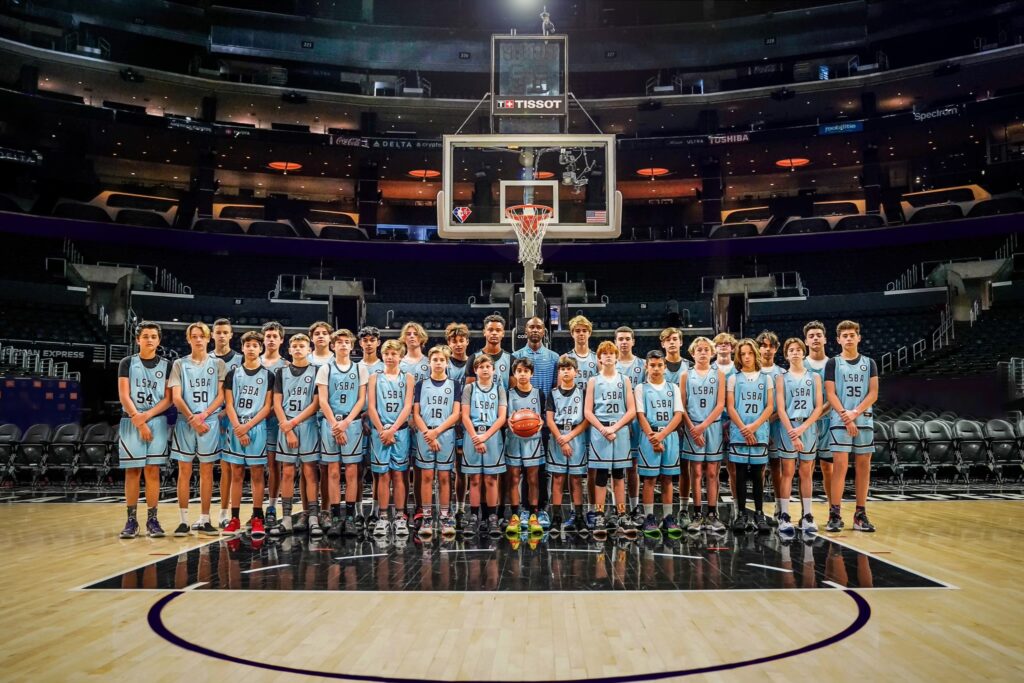
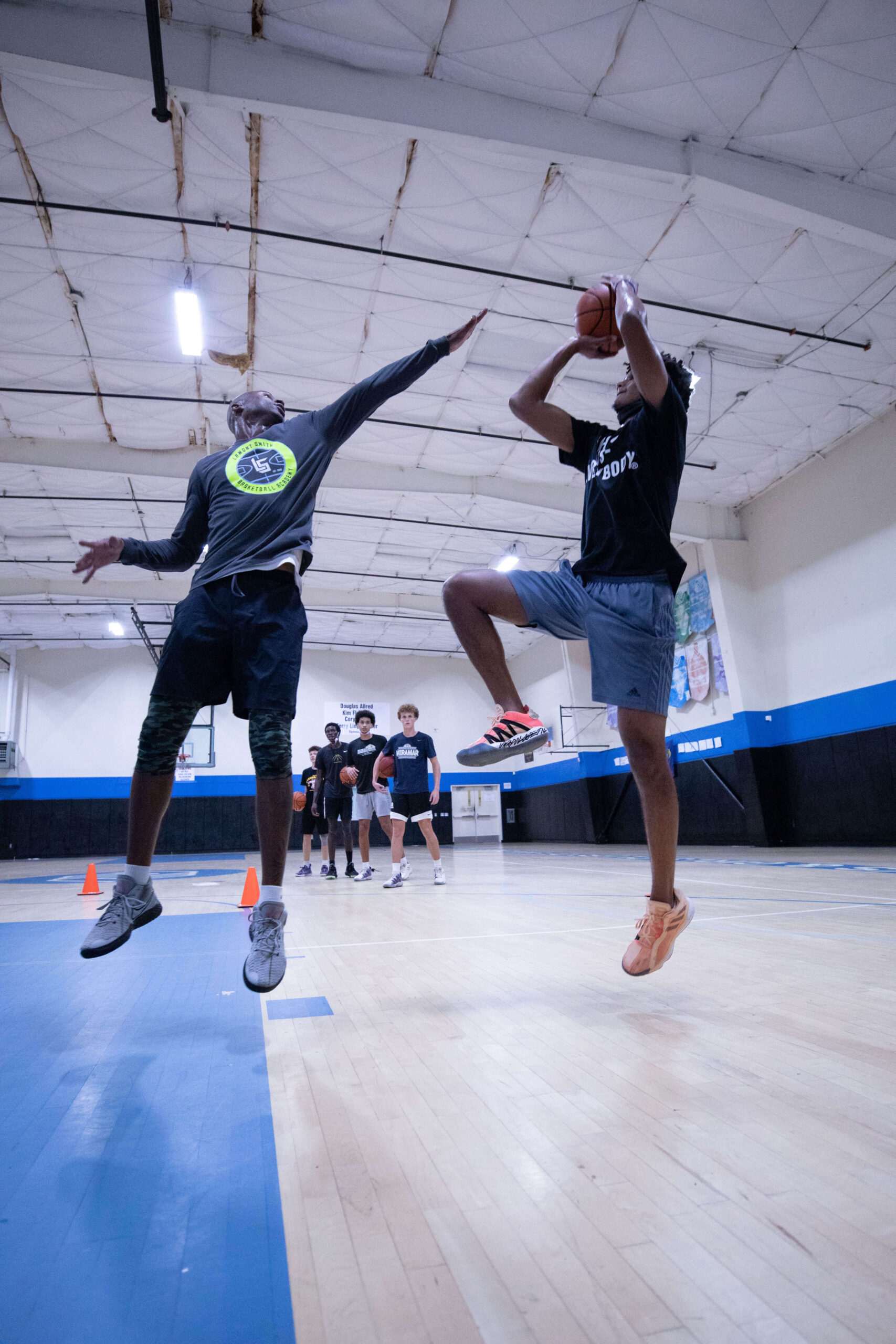
Basketball development does not happen in neat, seasonal blocks. Players do not improve only from November through March, then pause until the next uniform comes out of the closet. They build habits in fragments, over months, through repetition, exposure, correction, setbacks, and small breakthroughs that often go unnoticed until a game suddenly slows down for them.
That is why strong club programs matter. The best Basketball Club Teams San Diego families look for are not simply travel teams with a tournament schedule. They are development environments. They create structure in the off-season, sharpen skills during the competitive season, help athletes stay healthy, and keep the long view in mind when wins, losses, playing time, or recruiting noise threaten to pull everyone off course.
San Diego is an especially interesting basketball market because the region offers a little of everything. There is https://www.instagram.com/coachmontysmith/ year-round weather that makes training logistics easier than in many parts of the country. There is real competition at the youth and high school levels. There are families with ambitious goals, from middle school players trying to make varsity someday to high school athletes pursuing college opportunities. There is also the reality that not every player develops on the same timeline. A good club team understands all of that and builds around it.
Development is bigger than weekend tournaments
A lot of people first encounter club basketball through tournaments. That makes sense. Tournaments are visible. Parents can watch several games in one weekend, coaches can evaluate under pressure, and players get immediate feedback from the scoreboard. But the scoreboard tells only a small part of the story.
If a player spends three weekends a month chasing games without enough guided practice, film review, strength work, or recovery, progress usually stalls. I have seen talented young guards play 70 or 80 games in a year and still struggle with the same left-hand weakness, the same rushed decisions against pressure, or the same defensive habits they had nine months earlier. Volume alone is not development.
The better club teams in San Diego treat competition as one tool, not the whole toolkit. They understand that game experience has value only when it is tied to teaching. A turnover becomes useful if the player learns to read the help defender next time. A poor shooting night matters less if the mechanics, shot selection, and footwork are reviewed and refined during the week. A tough weekend can become a turning point when coaches frame it correctly.
That year-round approach is what separates organizations that produce more polished, adaptable athletes from those that simply stay busy.
The calendar never really goes quiet
One of the most practical ways club teams support growth is by organizing the year into phases. The exact schedule varies by age group, school commitments, and league rules, but the strongest programs usually think in cycles rather than one long, blurry season.
In late spring and summer, many teams emphasize live play, tournament exposure, and competitive reps. This is often when athletes face unfamiliar opponents, faster pace, and a wider range of playing styles. That matters. A player who dominates in one local setting may discover new gaps when facing length, physicality, or disciplined defensive schemes from outside the area.
In the fall, good clubs often shift toward skill refinement and system work. This can be one of the most productive windows of the year because the pressure of constant competition is lower. Players can spend more time rebuilding a jump shot, improving balance on finishes, or learning how to defend without reaching.
During the high school season, the smartest club programs usually take a supportive role. They respect school commitments and avoid pulling athletes in conflicting directions. Some offer light skills sessions, shooting workouts, mobility work, or recovery support without interfering. That balance is important. A club team that demands too much during school season often creates fatigue, resentment, and mixed messages.
Then, once school ball ends, the cycle starts again. What looked like a break is really a pivot.
Skill work becomes more specific as players mature
One of the clearest ways club teams help year-round is by making skill development more precise. Young players often need broad fundamentals: stance, footwork, passing mechanics, layups off both feet, closeouts, and basic spacing concepts. Older players need detail.
A middle school wing might spend a month learning how to catch on balance, attack a hard closeout in two dribbles, and finish through contact. A varsity guard may need work on rejecting ball screens, snaking into the lane, or making skip reads against low-man help. A post player could be focusing less on generic back-to-the-basket moves and more on sealing early, short-roll passing, or defending in space.
This is where year-round attention matters. You cannot fix everything in one season. Players improve faster when coaches identify a few priority areas, revisit them consistently, and connect them to game situations. The process should feel cumulative. By summer, the athlete should be applying what was drilled in the spring. By fall, those habits should be under less conscious strain. By the next competitive cycle, they should look natural.
San Diego clubs that do this well usually avoid the temptation to run the same workouts for everyone. That one-size-fits-all model is common because it is easy to organize, but it leaves a lot of development on the table. A sixth grader and an eleventh grader do not need the same teaching language, and a shooter does not need the same prescription as a slasher.
Strength, mobility, and durability are part of basketball development
A player can have excellent instincts and still struggle because the body cannot support the skill. That is one of the biggest shifts in youth basketball over the last decade. Serious clubs no longer treat performance training as something separate from basketball. They see it as part of the same conversation.
For younger athletes, that usually means body control first. Can they decelerate without collapsing inward at the knees? Can they land after a rebound or a contested finish with stability? Can they change direction efficiently? Those details affect defense, finishing, rebounding, and injury risk.
For older players, the conversation expands to force production, mobility, and recovery. A high school guard who gains functional strength may suddenly finish through contact instead of getting knocked off line. A forward who improves ankle mobility and hip strength may move better laterally and stay out of foul trouble. These are not cosmetic changes. They alter how the game is played.
San Diego’s year-round climate helps here. Athletes can train consistently without losing months to severe weather disruptions. That said, consistency still requires planning. The strongest club teams are not the ones that grind players into exhaustion. They are the ones that know when to push, when to taper, and when a player needs rest more than another hard session.
I have seen programs make real progress simply by correcting that balance. An athlete who felt flat for six months was not lazy or unmotivated. She was overextended, juggling school practice, club workouts, private training, and too many games. Once the schedule became more sensible, her legs came back, her shot improved, and her confidence followed.
Coaching continuity changes everything
Year-round development works best when the adults around the player communicate clearly. Club coaches, skills trainers, high school coaches, and families do not need to agree on every detail, but the athlete should not be caught between competing messages every week.
Good club teams create continuity. They establish terminology, expectations, and developmental priorities that make sense over time. If a player hears one coach ask for poise on the catch, another trainer emphasize foot prep, and a third coach praise shot readiness, those ideas should reinforce one another, not conflict.
Continuity also helps with accountability. If a player keeps drifting through defensive possessions, missing rotations, or settling for poor shots, a coach who has worked with that athlete over several seasons can address the pattern with context. They know whether it is a focus issue, a conditioning issue, or a confidence issue. That matters because the wrong diagnosis leads to the wrong solution.
This is one reason families often stay with a club program even when there are flashier alternatives. Trust compounds. Over time, coaches learn how a player responds to pressure, how quickly she absorbs instruction, when he needs challenge, and when he needs confidence restored. Development speeds up when that relationship is stable.
Competition is used as a measuring stick, not a marketing tool
There is always a temptation in youth sports to equate more exposure with better development. Sometimes that is true. Often it is not. Playing up in age, entering elite tournaments, or chasing national circuits can be valuable, but only if the player is ready for that environment and can learn from it.
Well-run club teams in San Diego usually make smarter competitive decisions than people realize. They ask practical questions. Is this event likely to stretch the athlete without overwhelming them? Will the player have a real role, or just fill a jersey? Are we trying to win a weekend, or trying to help this player become better by next year?
Those distinctions matter. A ninth grader who spends an entire summer glued to the bench in higher-profile events may gain less than one who plays meaningful minutes against solid competition, makes mistakes, and gets coached through them. On the other hand, an advanced player who dominates every local game without being challenged can plateau just as quickly.
The best clubs find the middle ground. They know when to raise the level, when to simplify the environment, and when to let a player own more responsibility. That judgment is hard to fake.
Film and feedback speed up learning
Not every club team has a sophisticated video operation, and not every age group needs one. But year-round development improves dramatically when athletes can see what coaches are talking about.
Film closes the gap between feeling and reality. A player may think she is staying low defensively, then watch herself standing upright on every change of direction. A guard may feel that he is making the right pass in transition, then see that he missed the earlier and easier read. These are powerful moments because they reduce argument. The tape does not have an agenda.
What matters most is not fancy editing. It is focused feedback. Ten useful clips reviewed carefully can do more than an hour of vague commentary. The same is true after a tournament weekend. Players do not need a lecture covering every possession. They need a few clear themes they can carry into the next week of work.
The strongest Basketball Club Teams San Diego offers often pair game footage with practice correction. If a player struggled defending stagger screens on Saturday, that concept shows up in teaching the next week. If a team generated good shots but missed them because of poor footwork on the catch, that gets drilled. Feedback is not left floating in the air. It turns into action.
The mental side is not optional
Players develop emotionally just as much as they develop physically. Club basketball exposes them to comparison, disappointment, changing roles, selection anxiety, and long stretches where progress feels slower than effort. A good program takes that seriously.
Confidence is one of the most misunderstood areas in youth sports. People tend to treat it as a personality trait, but on the court it is often a byproduct of preparation and clarity. Players gain confidence when they know what is expected, when they have rehearsed situations enough times to trust themselves, and when coaches respond to mistakes with instruction rather than volatility.
That does not mean constant praise. Athletes need honest evaluation. They need to hear when their pace is poor, when their communication is lacking, or when they are avoiding contact. But the delivery matters. The best coaches are demanding without being chaotic. They can be direct, specific, and firm while still keeping the athlete engaged.
This is especially important in year-round settings, where a coach may influence a player for months or years. A careless comment can linger. So can a well-timed one. I still remember watching a young player go through a rough spring, forcing shots and spiraling whenever she made a mistake. Her coach finally narrowed the game down for her: defend hard, run wide, attack the second side, and trust the kick-out pass. Within two weekends she looked freer. The game had not become easier. Her job had become clearer.
Families need structure too
Parents are part of the development environment whether a club acknowledges it or not. Year-round programs work best when families understand the purpose behind the schedule, the role their child is being asked to play, and the long arc of improvement.
Problems usually arise when expectations are unspoken. A family assumes heavy recruiting exposure is coming at age 13. A player believes more games automatically means more development. A parent mistakes temporary bench time for a final verdict on potential. Good clubs communicate early and often enough to reduce those misunderstandings.
The healthiest parent conversations tend to focus on process. Is the athlete becoming more skilled, more resilient, more coachable, and more physically prepared? Is the role expanding over time? Are there clear developmental goals? Those questions are more useful than obsessing over points per game in a July event.
For families evaluating a club, a few signs usually reveal whether the program thinks year-round in a meaningful way:
- Coaches can explain a player’s developmental priorities beyond general statements about working hard.
- Practices show teaching detail, not just scrimmaging and conditioning.
- The program respects school-season demands instead of competing with them.
- Strength, recovery, and workload are discussed with common sense.
- Communication is steady, even when results are uneven.
A club does not have to be perfect in all five areas, but if none of them are present, long-term growth often suffers.
Different athletes need different timelines
One of the hardest truths in youth basketball is that development is uneven. The early bloomers get attention first. They are stronger, faster, more coordinated, or simply more confident at 12 or 13. But that does not mean they will still be ahead at 17.
Year-round club environments can be incredibly valuable for later developers because they provide repetition and support through the years when the gap feels widest. A player who is undersized in eighth grade may catch up physically in high school, but only if she stays engaged long enough to refine the skills that will matter when the body changes. A lanky forward with awkward footwork at 14 can become a very effective defender and finisher by 16 if the coaching is patient and specific.
This is another area where experienced clubs stand out. They do not evaluate every athlete through the same deadline. They know some players need time. They also know that patience is not passivity. A long-term prospect still needs standards, challenge, and honest feedback. What changes is the lens. Coaches stop asking only, “What is this player right now?” and start asking, “What can this player become with two more years of good work?”
The San Diego advantage, and the caution that comes with it
San Diego gives club basketball some clear advantages. The region’s weather supports consistent training. Travel is manageable compared with larger metro areas. The basketball community is active enough that players can find quality competition, yet not so crowded that every athlete disappears into the shuffle.
At the same time, opportunity can create clutter. Some athletes are in too many systems at once. Club team, school team, private trainer, open gym, showcase, strength coach, shooting coach, all layered together with little coordination. More access is not automatically better. Without a coherent plan, athletes end up tired, overcoached, and oddly underdeveloped in the areas that matter most.
That is why the best club programs act as filters as much as providers. They help athletes decide what to say yes to, what to postpone, and what to skip entirely. Sometimes the most developmental choice is not another event. It is six weeks of focused work on movement, shooting consistency, or decision-making under pressure.
What year-round support really looks like
If you strip away branding, social media, and tournament graphics, athlete development usually comes down to a few unglamorous but powerful habits repeated over time:
- Consistent practice with teaching that connects drills to game situations.
- Competitive exposure that matches the athlete’s current stage and next challenge.
- Physical preparation that improves performance without ignoring recovery.
- Honest feedback delivered in a way the athlete can actually use.
- Patience to let improvement unfold over seasons, not just weekends.
That is the real value of strong club basketball. It gives athletes a place to keep building when no one is watching closely, when results fluctuate, and when progress shows up as better decisions, stronger habits, or more poise before it shows up in a highlight clip.
For players in San Diego, the right club team can become that steady structure. Not a substitute for individual drive, and not a guarantee of scholarship offers or instant success. But a true development partner, one that understands basketball growth is year-round, layered, and deeply human. Over time, that kind of environment does more than produce better players. It helps shape athletes who can handle challenge, absorb coaching, and keep improving long after the season changes.
Lamont Smith Basketball Academy
888 Clairemont Mesa Blvd Suite T-2, San Diego, CA 92123
(619) 639-8778
FAQ About Basketball Club Teams San Diego
How can a player join an LSBA club team?
Players are evaluated during practices so the coaching staff can recommend an appropriate team and development level. Families should contact the academy to confirm current openings and evaluation details.
Are club teams available for newer basketball players?
Yes. LSBA describes multiple levels, including a developmental option for newer players as well as more competitive teams for athletes with prior club experience.
What do LSBA club team practices emphasize?
Practices emphasize basketball fundamentals, team defense, structure, communication, and player development. The specific focus may vary according to the team and experience level.
Do all LSBA teams travel?
Travel expectations vary by level. Some teams focus on local competition, while advanced teams may participate in tournaments elsewhere in Southern California or beyond. Families should confirm the current schedule before enrolling.